Learn how to create blue and green living rooms with these tips.
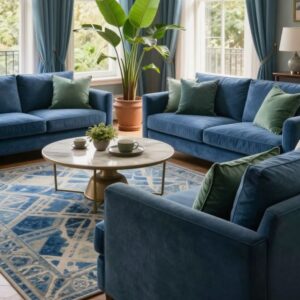
One of the first steps to giving your home a new look is to select the right colors. The blue and green hues found in living room walls evoke a sense of relaxation and tranquility, creating a harmonious and natural atmosphere.
The combination of these elements creates a balanced composition that is contemporary and yet classic. It combines the calming sea tones with the vibrant plant tones. This creates your home a good place to unwind.
This color combination is ideal for anyone who wants a coastal or an urban chic lounge.
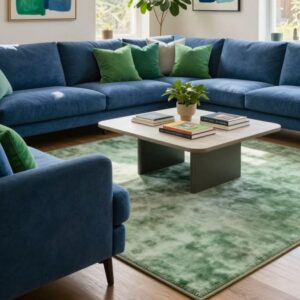
These colors are easy to tweak to your liking, and still maintain a balanced space.
This guide will get you through this color change. Prepare to decorate your house and make it gorgeous and comfortable to stay in, with your own distinct personality.
Key Takeaways
Know how to blend cool and earthy colors for a psychological effect.
Know how to use colour intensity to achieve a professional appearance.
Learn design styles that can flourish in this particular color scheme.
Look at combinations of furniture and accessories that complement the theme you have selected.
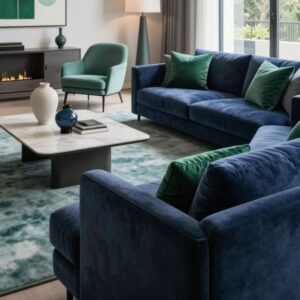
Discover how to put a finishing touch to a harmonious flow in your home.
In Interior Design, there is a sense of psychology to be found in blue and green.There’s a psychology to be found in blue and green in Interior Design.
Your home is a private space and the colours you select make a significant impact on your feelings.
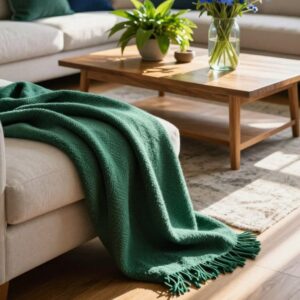
Knowing the emotional effect of color will help you create a space that reflects interior design trends that promote mental health. These two colors can make a regular room a healing room.
The soothing effect of the blue tonesBlue is the colour of the sky and the ocean. These shades can help to calm down your heart rate and add serenity to your environment. These soothing living room shades are preferred by many to create a serene place to unwind after a hectic day.
Color has a direct effect on the soul, “It is a power.
Wassily Kandinsky
The revitalizing powers of the green colors
Green brings the outdoors in, thus enlivening your living space. The green paint is an opulent and invigorating option for any room. It takes the healing qualities of nature indoors, closer to the outdoors even then.
Encourages a feeling of rejuvenation and development
Improves the visual harmony with nature and reduces eye strain.
Incorporates a lively and natural element in contemporary furniture.
Designing a Balanced Sanctuary for rest and relaxation.
Blue and green, that is a balanced combination. Blue is a color for peace, and green for liveliness. The combination of these elements creates a harmonious and inviting living room where you can relax and enjoy a beautiful space.
Color Theories For Blue and Green Living Room.
The important thing about learning colour theory for homes is to understand how to blend them together. Understanding these color combinations will enable you to create a space that feels like a pro’s design. This information allows you to make your decisions with greater intention than chance.
Analogous Color Schemes for Harmony
Analogous colors are next to each other on the color wheel. The colors blue and green are close together, which makes for a peaceful and unified home. Perfect for a blue or green living room that you need to relax.
For variety, combine various shades of the color chosen. For instance, combine a dark navy sofa with light sage walls. This provides depth and maintains the ambience of the room in a fresh and calming way.
Adding depth using Complimentary Colors
If you want to create “pop” room combinations, try using colors across the color wheel. Colors such as warm oranges or soft corals are quite complementary to blue and green. These colors help to create depth and interest in your space.
“Color is a power which directly influences the soul.”
Wassily Kandinsky
Accents that are warm, placed judiciously, can truly help your room pop. Elegant throw pillows or art will really make a difference in the room. Below are some examples of how colour relationships can impact your design:
Relationship
Visual Effect
Best Use Case
Analogous
Calm and Serene
The walls are large and there is large furniture.
Complementary
High Energy and Depth
Quality pieces and decorations.
Monochromatic
Sophisticated and Minimal
Small Spaces and Textures
The importance of undertones in colour matching.
Knowing about undertones is crucial for color theory for homes. All colors that are blue or green are either warm or cool. This can make a world of difference in other lights. Mixing a blue with a yellow undertone with a green with a gray base might not work well.
Test your colors both in daylight and artificial light at night. This way, your blue and green living rooms can be seen as planned throughout the day. Small changes are all that is needed to create a clean,
sophisticated aesthetic that lasts.
Choosing the Right Colours for Your Home Look
The key to making the right living room color schemes is the balance of colors. It’s a matter of combining blue and green in a harmonious way. This can transform a room into a comfortable and inviting area.
When selecting colors for a theme, you can pick from two variations: cool or warm.
Each color carries a certain ‘feel’. There are cool blues and greens that are sharp and icy. Warm greens have a yellow or golden feel.
Avoiding these differences helps set the mood. Warm greens can give your dark room a cozy feel.
With varying lighting conditions, test samples in different lighting conditions.
Test samples in different lighting conditions.
Avoid selecting a paint color from a swatch sample. Light does change, and it impacts the appearance of colors on walls.
Place large samples on walls and observe them in the light of the morning, afternoon and evening. This is a great way to get home decor ideas and avoid making the wrong decision.
Designing a Flow of Coherence Between Rooms:
When you’re looking for modern living room ideas, take into account the colour flow between rooms. A home that is unified has a color thread that brings all together.
Color theory is home helps to maintain harmony. Use a primary colour in living room.
Then use lighter or darker shades in hallways or kitchens for a seamless transition.
Adding a touch of blue and green through furniture selections.
The choice of furniture is important in your interior design. Picking stylish living room furniture is crucial for a cohesive look. These pieces will set the tone and purpose of your room and are an canvas for your colors.
Pocket Pals in Emerald or Navy
If you want a statement piece, opt for a large one that will draw attention. Emerald green velvet sectionals add luxury and sophistication. A dark navy sofa anchors the space, exuding timeless power.
Remember that when using these colors, they need to be balanced:
Be sure to have the furniture sized for your space.
For luxury, add emerald green decor.
For smaller pieces of furniture, such as ottomans, opt for navy blue accents.
Neutral Furniture with Colorful Upholstery
It’s not necessary to do a complete ‘all in’ with color. Use neutral colors that are cream, grey or beige. Lastly, include upholstery or slipcovers to add color.
This approach will work well with today’s contemporary living room designs. With only the cushions or slipcovers to change, it is easy to do. It will ensure that your investment stays safe for the summer season.
Accenting with Blue and Green, Wood Tones.
Cool rooms benefit from natural wood colors.
Navy sofa and a walnut coffee table make for a good contrast. Working with light oak and soft sage or mint green is ideal.
For balance try these combinations:
Wood Tone
Color Accent
Design Vibe
Walnut
Navy Blue
Sophisticated
Light Oak
Sage Green
Airy and Calm
Dark Mahogany
Emerald Green
Classic Luxury
Professional touch by using wood tones with your colors. This will help you to keep your living room looking organized, not cluttered. Invest in furniture that will endure and will look good.
How to create wall panels and painting methods.
Your walls are like a canvas for your home’s personality. The proper treatment can transform the atmosphere of your space. If you are looking to create a subtle look, or a bold look, it will create the ambiance of your room.
Selecting the Best Wall Finishes
The sheen of your paint is key, just like the color. Quality wall paint finishes serve to safeguard and enhance the depth and richness of walls. Nell Hill’s artisanal paint line comes in a variety of hues including relaxed aqua and deep green.
Using a matte finish, the material has a sophisticated velvety look, which covers up small imperfections. However, satin or semi-gloss will be long lasting and simple to clean. Consider natural light in the room when selecting a sheen.
Make Feature Walls
using Wallpaper
Patterns and textures that a paint can’t achieve are provided by wallpaper. Emerald green is a great color choice for a feature wall. Bring nature into your home with a botanical print.
When choosing wallpaper, choose it to complement your furniture. Bold patterns are sure to create a focal point, and soft textures are sure to add luxury.
When using the pattern be sure to scale it to your room, as it needs to be balanced for your room.
Color Blocking to define Living Zones
Open plan areas that are divided without walls are called color blocking. Use different tones to separate areas by painting different sections. This technique is effective for decor items that are emerald green.
Contrast of colours gives clean lines and form. This contributes a contemporary and architectural element. Always test paint finishes for walls on a small area first. This will help your colors to blend nicely between your zones.
Textiles and soft furnishings that will add to your space.
The key to a professional appearance in your home decor ideas is fabrics. Fabrics can also provide texture and color to the interior of your home. Make your space cozy and inviting with the use of textile layering techniques.
Using rugs to create layers to add interest.
Another great tip for rugs is to use layers to create areas in an open floor plan. Choose a big neutral coloured Jute rug as a base. Then, add a smaller, patterned rug on top to anchor your stylish living room furniture. It will make the place look more interesting and will not give it a planar appearance.
Choosing Curtains and Window Coverings
Window coverings should complement the decor of the room. For navy blue furniture, opt for full length curtains that are crisp white or soft linen. This complements the dark colors. The Fairbanks collection from Thibaut is a timeless blue and green pattern, which is perfect for drapery to enhance your windows.
Throw Pillows and Blankets as Seasonal Accents: Add throw pillows and blankets as seasonal accents.
There’s no need for a whole renovation to refresh your space.
Change throw pillows and blankets accordingly with the seasons. Experiment with layering techniques and various fabrics such as velvets, wools, and cottons. This enables you to enjoy the game without stress and in style throughout the year.
If you are looking for seasonal accessories,
make sure that you select high quality ones that complement your navy blue tones. These little tweaks will provide an endless resource of ideas for home decor and will help you to make your home look fresh and modern.
Textile Type
Best Season
Primary Benefit
Linen
Spring/Summer
Breathable and light
Velvet
Fall/Winter
Adds warmth and luxury
Wool
Winter
Provides cozy insulation
Cotton
Year-round
Versatile and durable
Using light color tones in the light areas of your home.
The lighting will set the tone of a cool-toned room. The easy part is when you select colors for your living room that are calming, such as deep navy or soft sage. How light interacts with these colors can totally change the room’s feel. A well-planned lighting scheme does not make the space feel cold and inhospitable.
Getting the most out of Natural Light to bring out Colors.
For walls, the lighting is the most important part of the display of your paint finishes. The most important thing to do for your windows is to avoid heavy drapes that block sunlight. Rather, opt for sheer materials that gently diffuse light and create soft shadows.
Dark spots can also be reflected into windows with mirrors on the opposite side. This will help to maintain the brightness of your blue and green walls throughout the day.
Having clear windows and glass lets natural light accentuate the undertones of your decor.
Light is the element that “adds color” to a room, transforming it from a static space to a dynamic comfort and style experience.
Strategies for layering ambient and task lighting.
According to good living room lighting tips, there is nothing more important than layering lights in a functional space. Ambient lighting is for general use, task lighting is for specific tasks. Dimmers are also a great consideration as they can be used to change the level of light throughout the day.
Here’s a table to guide you in setting up your lighting for a balanced, cool-toned living room:
Lighting Type
Primary Purpose
Best Placement
Ambient
General illumination
Sprinkle ceiling fixtures or use recessed lights.
Task
Focused activity
Desk or floor lamps.
Accent
Highlighting decor
Picture lights or wall sconces
Choosing Light Fixtures that Complement Your Palette
Your light fixtures should adhere to your color theory when homes are for a unified appearance. Metallics such as brushed brass or warm gold add warmth to cool blue and green rooms. These materials complement the coolness of your walls, providing a sophisticated contrast.
Opt for “warm white” bulbs that will tone down the room’s appearance. When it comes to mixing fixtures, consistency is the key. When choosing hardware, it’s important to choose pieces that can complement your furniture and walls, in order to have a seamless and chic ambiance.
Bringing in Nature with Botanical Accents
With botanical interior design, you can create a green oasis from your living room. Mixing
Light Requirement
Best Placement
Snake Plant
Low to Indirect
Dark Corners
Fiddle Leaf Fig
Bright, Filtered
Near Windows
Pothos
Low to Medium
Shelves or Hanging
Bird of Paradise
Bright, Direct
Center of Room
Creating a balance of patterns and textures in the living room.Designing balance of patterns and textures in the living room.
When you combine all the visual elements nicely, your living room transforms into a warm and comfortable place.
For that, consider using textile layering to ensure that your outfit doesn’t appear boring. Using different materials, you create a stylish and welcoming room.
Using geometric patterns in combination with organic
shapes.Combining geometric patterns and organic shapes.
A timeless design trick is to add some structure to softness. For instance, a sharp herringbone chair lining up with a soft cream sofa gives a sense of depth. This contrast helps to offset furniture from blending in.
Throw pillows or rugs in navy blue add geometric elements.
These touches bring the room down to earth. Organic forms such as curved lamps or round coffee tables, on the other hand, contribute softness. This combination is essential for creating a well-rounded decor color palette of emerald green.
How Texture is used in Monochromatic schemes.
Texture is extremely important in a single colour room. If there isn’t any texture variety, the room may be level. The use of various fabrics is a leading modern living room idea to bring elegance.
These are some ideas for creating texture in your space:
Covering smooth leather seating with chunky knit blankets.
Velvet cushions for a comfortable, luxurious feel.
Incorporating some jute or sisal rugs for a natural coarse feel.
Combining matte wall colors with shiny metallic hardware.
How to stay clear of visual clutter in small spaces.
Cleanliness is the key to keeping a small room looking nice.
You want to have home decor that looks like nature, but without the hassle. Select a few high-quality items rather than lots of items.
To achieve good botanical interior design, one must place things thoughtfully. Reflect light with mirrors to make room larger. This will help even out the appearance of darker furniture. Use clear surfaces to allow your textures and patterns to be design elements.
Conclusion
A blue and green living room can help to create a stylish home with a serene atmosphere. Now you can blend color theory into your style and create a serene environment.
The current interior design trends include nature and comfort. The use of fabric layers will add texture and richness to their seating.
These modifications significantly enhance the ambiance of your home.
The colours used in your living room will set the tone for your entire home. Giving your walls and shelves a natural twist. For a professional appearance, shoot for some balance, and some personality!
Good lighting is key to showcasing your colors at any time. Experiment with various lamps as well as natural light to accentuate your decor. Take these steps to a new home.
Make the timeless beauty of blue and green part of your home decor in your living room. You can make any room, your room, a sanctuary and display your personality.
Have fun designing a place to make you happy for many years.
FAQ
Why is blue and green the top nature-inspired colors to choose for home decor that promotes relaxation?
These colors are inspired by nature. The sky and sea are blue and so is it, it calms us. Green injects a new vitality. When combined, they form a tranquil environment, conducive to mental health.
How do I apply color theory when decorating with emerald green for my home to keep my green color from competing with the other colors?
Key to understanding is undertones. Colors with similar base temps will produce a smooth appearance. Try out paint samples with various lights to see how they play with navy blue and furniture.
What are the best ways to layer fabrics in a contemporary living room?
Use different texture rugs. It’s a great combination of jute on the base and plush wool on the top. Throw pillows and blankets in a different texture – maybe velvet or linen. This creates interest in your room and helps to tone down the intensity of colors.
What are the most essential living room lighting ideas for cool toned rooms?
Natural and artificial light are necessary for cool spaces. Install designer fixtures to light for ambiance and task. Smart lights can also change colour to complement navy blue accents during night hours.
What’s the best way to incorporate botanical interior design into a dark furniture room?
Botanical design incorporates organic elements into rich colors. Make use of colorful plants and natural elements such as rattan and wood. This makes your emerald green decor more natural looking.
Why use colour block finishes with good paint finishes on walls?
Color blocking creates areas in open plan areas. For navy blue accents, use high-quality paint to form well-defined shapes. This approach will help you to create a tidy and organized space.
What are ways to ensure that there is not a visual monotony when using a monochromatic color palette with patterns and textures?
Incorporate geometric patterns with organic forms into textiles. Mix chunky knits or embossed wallpapers with smooth silks. This helps to enliven your emerald green decor and engages it.