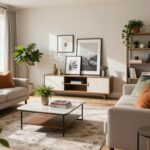
Minimalist Living Room Design: Tips for a Calming Aesthetic
Creating a serene sanctuary in your home begins with daily choices. By choosing a minimalist living room, you move from clutter to clarity. This change makes your space a true reflection of your desire for peace.

To get a stunning minimalist aesthetic, focus on quality over quantity. Following these minimalist design tips means every item has a purpose. This makes your space a place where you can relax and recharge.
Key Takeaways
- Focus on intentionality to reduce daily stress.
- Prioritize high-quality furniture over excess decor.
- Use neutral color palettes to enhance tranquility.
- Keep surfaces clear to maintain a sense of order.
- Select functional pieces that add value to your life.
The Philosophy of Minimalist Living Room Design
Minimalism is more than a design trend. It's a choice to value quality over quantity. Many think minimalist interior design means living in a blank room. But it's really about choosing carefully to make your home both useful and personal.

Defining the Minimalist Aesthetic
The minimalist aesthetic is about carefully choosing what you have. You don't need to paint everything white. Pick items that have a purpose or make you happy every day.
By getting rid of things you don't need, your home's features stand out. This makes your living room a peaceful place, not a place to store things you don't use.
The Psychological Benefits of a Clutter-Free Space
Living minimalist improves your mental health. A clean space helps you feel less stressed by the world around you. It's easier to relax and feel refreshed when your space is tidy.
The table below shows how a traditional living room differs from a minimalist one:
| Feature | Traditional Approach | Minimalist Approach |
|---|---|---|
| Furniture Selection | Focus on filling every corner | Focus on essential, quality pieces |
| Visual Impact | High pattern and accessory use | Emphasis on negative space |
| Mental State | Often leads to sensory overload | Promotes calm and focus |
| Maintenance | Requires frequent cleaning | Easier to keep organized |
At its heart, minimalist living is about saving time and energy. By choosing a minimalist aesthetic, you're choosing a life that values peace over stuff.
Establishing a Neutral Color Palette
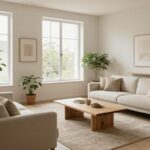
You can turn your living area into a peaceful spot by using neutral tones. A neutral color palette is key to a calm and clean home. Soft whites, warm beiges, and calming grays make a space feel bigger and welcoming.
Selecting Base Tones for Walls and Floors
Your walls and floors are the room's backdrop. Light, airy shades on these big areas reflect natural light. This creates an open, breathable atmosphere. Matte finishes on walls prevent glare and keep the look soft.

Choose natural materials like light oak or polished concrete for flooring. These options blend well between rooms, showing off minimalist decor quality. Keeping these tones the same lets furniture and accessories shine without fighting for attention.
Incorporating Subtle Contrast with Accents
Monochromatic schemes avoid visual tension. Layering different shades of the same color adds depth. For example, a charcoal throw blanket with a light gray sofa looks sophisticated and timeless.
Texture brings interest without clutter. A chunky wool rug or linen curtains add contrast to your neutral color palette. This way, you get a balanced space that's both thoughtful and relaxing.
Selecting Functional and Minimalist Furniture
Choosing the right furniture is key to a balanced living room. In a minimalist living room, each piece must have a purpose. It should also add to the room's overall look.

Prioritizing Quality Over Quantity
It's better to have a few high-quality items than many cheap ones. Durability is essential for lasting satisfaction. Good furniture stays looking great for years.
Search for solid wood and durable fabrics. This way, each item becomes a thoughtful design element, not just clutter.
Choosing Pieces with Clean Lines and Simple Silhouettes
The right size of your furniture is crucial. Avoid small pieces in big rooms. They make the space feel empty and disconnected.
Go for minimalist furniture with simple designs. These pieces bring order and calm. Your room will feel intentional and peaceful.
The Role of Multi-Functional Furniture
When space is tight, efficiency is key. Multi-functional furniture keeps your space clean and comfortable. It's perfect for small areas.
Think about a storage ottoman or a sofa bed. These smart solutions save space and keep your area tidy. They're great for a clutter-free living room.
Decluttering Your Space for Maximum Impact
True peace in your home comes from only keeping what truly matters. By getting rid of the extra stuff, you make room for things that bring joy and value. This is the heart of a minimalist aesthetic.
The Art of Intentional Curation
Intentional curation means choosing every item with care. Instead of filling shelves with random decor, pick pieces that have a purpose or hold special meaning. This way, you avoid feeling overwhelmed by too much stuff.
"The space in which we live should be for the person we are becoming now, not for the person we were in the past."
To get better at this, follow these simple steps:
- Check if each item adds beauty or usefulness.
- Get rid of duplicates that do the same thing.
- Change your decor with the seasons to keep things fresh.
Hidden Storage Solutions to Maintain Order
Even with a carefully chosen collection, you need good minimalist storage to keep things tidy. Hidden storage helps keep your space calm and peaceful. It keeps daily essentials out of sight, making your home a calm retreat.
Try these smart storage ideas in your design:
- Use ottomans with hidden compartments for blankets and remotes.
- Install floating cabinets to keep the floor clear.
- Choose decorative baskets that fit your minimalist aesthetic.
Using these minimalist storage tips helps hide clutter without losing style. When everything has its place, your home stays organized easily. This consistency is key to keeping your design on track.
Optimizing Natural Light in Your Home
You can turn your home into a bright sanctuary by learning how to use natural light. This element is key for a minimalist home, adding energy to simple colors and making spaces feel open. It connects you to the outdoors, bringing a refreshing and calm vibe inside.
Choosing Window Treatments That Enhance Brightness
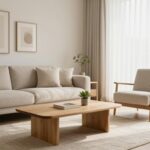
When picking window coverings, choose materials that let sunlight through while keeping you private. Sheer linen curtains or light-filtering roller shades are great for this. They keep your room feeling light and open, which is crucial for good minimalist lighting.
Stay away from heavy drapes or dark, thick fabrics that block light. Instead, pick hardware that lets you pull treatments away from the glass. This keeps your windows bright and open to the sun.
Using Mirrors to Expand Your Living Area
Mirrors are great for making your space brighter. Place a big mirror opposite a window to reflect sunlight into darker parts of the room. This brightens the area and makes it seem bigger.
It's important to place mirrors carefully for a balanced look. A large mirror with a simple frame works best for keeping your minimalist lighting look. Used right, mirrors can make your minimalist home feel bigger and brighter.
Selecting Minimalist Textiles and Soft Furnishings
When you remove too much decor, your textiles stand out. Instead of using busy prints, choose minimalist textiles for a sophisticated look. This makes your home a calm sanctuary.
Focusing on Texture Instead of Pattern
In a room with a neutral color palette, texture is key. Different textures add interest without clutter. Layering various weaves and finishes adds depth.
Think of your sofa or rug as a chance to add subtle complexity. A chunky knit throw or a bouclé cushion adds immediate warmth. These choices keep your space clean yet cozy.
Choosing Natural Materials Like Linen and Wool
Natural fibers give your space a high-end feel. Linen and wool have a timeless quality that synthetic fabrics lack. They age well, adding history and grounding to your home.
Linen is great for light, airy curtains or slipcovers. Wool makes seating areas cozy and weighted. Choosing these materials means investing in style that lasts. This supports a neutral color palette and enhances your living room's feel.
| Material | Primary Benefit | Best Use Case |
|---|---|---|
| Linen | Breathable and light | Curtains and pillows |
| Wool | Warm and durable | Throws and rugs |
| Cotton | Soft and versatile | Upholstery and blankets |
Your choice of minimalist textiles should match your comfort needs. By choosing natural fibers, you create a balanced, serene space.
Incorporating Nature into Your Minimalist Living Room
Nature is the perfect anchor for any balanced living space. By adding organic elements, you can soften the sharp lines of modern decor. These minimalist design tips help create a space that feels alive and connected to nature.
Selecting Low-Maintenance Indoor Plants
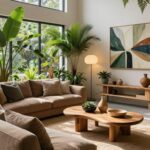
Adding greenery is the best way to bring life to a neutral room. You don't need to be a gardening expert to keep your space beautiful. Fiddle-leaf figs are great because they add a bold, organic touch to white or beige rooms.
For something even easier, try a snake plant or a ZZ plant. They need little water and can handle different light levels. They help you create a minimalist sanctuary without the hassle of caring for high-maintenance plants.
Using Organic Materials for a Grounded Feel
The materials you choose for furniture and decor are key to your home's feel. Using raw wood, natural stone, or woven textures adds essential warmth to your space. These elements prevent your room from feeling too cold or sterile.
Place a reclaimed wood coffee table or a stone side table to ground your seating area. These pieces bring a sense of stability and permanence. By following these minimalist design tips, your home will be a true minimalist sanctuary that's both curated and cozy.
Strategic Lighting for a Calming Atmosphere
Your choice of light makes your living area feel cozy at night. Good lighting design is the final step to make a room perfect. It turns a simple space into a truly relaxing sanctuary. By focusing on depth and warmth, you can get rid of harsh shadows that ruin a peaceful vibe.
Layering Ambient and Task Lighting
To get a balanced look, mix different light sources. Layering ambient and task lighting creates a soft, inviting glow. This makes your home feel cozy. Use floor lamps for general brightness and desk or reading lamps for specific tasks.
Dimmer switches are a game-changer for your living room. They let you adjust the light intensity for any time or mood. Always choose warm-toned bulbs to keep the space comfortable and avoid a cold look.
Selecting Fixtures with Architectural Appeal
In a simple room, your light fixtures should be sculptural elements. Pick designs with clean lines and geometric shapes to match your minimalist furniture. These pieces add visual interest without clutter.
When picking your hardware, go for high-quality materials like matte black metal, brushed brass, or frosted glass. These finishes add a sophisticated touch to your home. By carefully choosing your minimalist lighting, you highlight your minimalist furniture perfectly.
Wall Decor and Minimalist Art Choices
Embracing a minimalist aesthetic means your wall choices are key to expressing yourself. Instead of covering every inch with stuff, focus on quality and meaning. Thoughtful minimalist decor turns your home into a peaceful, personal space.
The Power of a Single Statement Piece
A single, bold piece of minimalist art is more impactful than a crowded gallery wall. It creates a clear focus that ties the room together. This avoids the chaos of too many small items.
Choose something that speaks to you, like an abstract painting or a big photo. Limiting yourself to one main piece lets it tell its story without distraction. This keeps your living room calm and clear.
Avoiding Visual Overload with Negative Space
Negative space, or empty areas, lets your decor breathe. Leaving walls bare showcases the beauty of what you choose to display. This is key to a sophisticated, minimalist look.
Think of your walls as a canvas where less is more. Avoiding the urge to fill every spot creates balance and harmony. This makes your space feel bigger, lighter, and welcoming.
| Strategy | Visual Impact | Maintenance Level |
|---|---|---|
| Single Statement Piece | High (Bold Focal Point) | Low |
| Gallery Wall | Busy (High Clutter) | High |
| Negative Space | Calming (Open Feel) | Very Low |
Maintaining Your Minimalist Aesthetic Over Time
Keeping your living space beautiful takes ongoing effort. The initial design is just the start. The real beauty of a minimalist home is in keeping it calm every day. Focus on usability and adaptability to keep your living room a peaceful retreat.
Establishing Daily Habits to Prevent Clutter
Small, consistent actions help keep your space clear. Try the "one-in, one-out" rule for new items. This simple rule stops clutter from taking over your minimalist aesthetic.
Take five minutes each evening to tidy up. Put things back where they belong, fluff pillows, and clear coffee tables. These small steps stop clutter from building up, so you wake up to a calm space every day.
Seasonal Refreshing Without Adding Excess
You don't need to buy new decor to refresh your home. Instead, rotate items with the seasons. This way, you can enjoy what you already own and keep your space open.
During these changes, focus on intentional curation. If something no longer serves you or brings joy, consider giving it away. This keeps your space flexible and in tune with your life.
| Maintenance Type | Frequency | Primary Goal |
|---|---|---|
| Surface Reset | Daily | Clear visual noise |
| Item Rotation | Quarterly | Refresh the aesthetic |
| Deep Declutter | Annually | Remove unused items |
Common Mistakes to Avoid in Minimalist Design
Creating a simpler home can sometimes lead to unexpected design pitfalls. While aiming to reduce excess, many homeowners accidentally make their homes feel disconnected or harsh. Mastering minimalist interior design is about finding a balance between clear visuals and comfort.
Avoiding the Sterile or Cold Look
One common mistake is focusing too much on stark white and sharp edges, making a room feel clinical. To avoid this, adopt warm minimalism. This means adding soft textures like wool throws or linen cushions to soften the room.
Using organic materials can make a space feel welcoming. These materials add depth, making your home a cozy sanctuary, not a museum. Texture is your best tool for adding personality without clutter.
Ensuring Your Space Remains Comfortable and Livable
Good decluttering is about keeping only what you need and love. A space should support your daily life and well-being. It must be functional for your family's needs.
If a room feels too empty, it lacks warmth. Keep items that are useful or bring joy. This way, you create a home that is both beautiful and practical.
| Feature | Sterile Minimalism | Warm Minimalism |
|---|---|---|
| Color Palette | Pure white and gray | Soft earth tones |
| Texture | Smooth and glossy | Nubby and organic |
| Atmosphere | Cold and rigid | Cozy and inviting |
| Primary Goal | Visual emptiness | Functional comfort |
Your home should show your personality and be organized. Avoiding extreme austerity lets you enjoy decluttering while keeping your space cozy. Making smart choices in furniture and decor ensures your minimalist interior design is both timeless and comfortable.
Conclusion
Creating a minimalist living room is about making your life more intentional. It frees you from clutter that takes away your peace.
Minimalist living means focusing on what truly matters in your space. Choose items that add value or bring happiness to your home.
Your living room shows what you value. By carefully selecting what you keep, you create a peaceful space. This space supports your mental health and helps you relax.
Begin by improving just one area of your home. Even small changes can make a big difference in how you feel about your space.
Don't be afraid to share your minimalist journey with friends. Your efforts to create a simple, elegant home can inspire others to do the same.
FAQ
How can you create a minimalist living room design that doesn’t feel stark or cold?
To avoid a cold feel, try Japandi or Scandinavian designs. They mix simplicity with warmth. Use warm colors like Benjamin Moore's White Dove.
What are the best base tones for a neutral color palette in a modern home?
How do you choose the right furniture for a small minimalist space?
What is the most effective way to start decluttering your living room?
How can you maximize natural light to enhance a minimalist atmosphere?
Why is texture more important than pattern in minimalist interior design?
Which low-maintenance indoor plants fit a minimalist sanctuary?
How do you layer lighting to create a calming evening atmosphere?
What is the benefit of using a single statement piece of art?
What daily habits help you maintain a minimalist home over time?
Can you achieve a minimalist look while still keeping the room livable for a family?