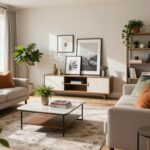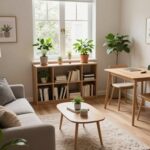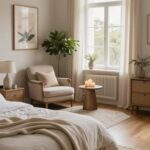
Minimalist Living Room: Simple & Stylish
Creating a serene home starts with intentionality. Choose only items that truly serve a purpose. This turns your minimalist living room into a peaceful sanctuary. It helps clear away the clutter that weighs you down.

Styling a small minimalist living room or refreshing an apartment minimalist living room has the same goal. You aim for an open, airy, and welcoming space. Focus on quality over quantity to let your personality shine without excess decor.
Key Takeaways
- Prioritize functional furniture to maximize your available floor space.
- Use a neutral color palette to create a sense of calm and openness.
- Select a few meaningful decor pieces instead of filling every surface.
- Maintain clear pathways to ensure the area feels accessible and inviting.
- Embrace natural light to enhance the airy feel of your home.
Defining the Minimalist Aesthetic for Your Home
The modern simplicity movement started in the early 20th century with the Bauhaus movement. This movement believed that form should follow function. By removing unnecessary details, you can make a minimalist living room design that looks timeless and meaningful.

To create a minimalist home, focus on the essential parts of a space. Don't use too much decoration. Instead, choose high-quality materials and focus on the architecture. This way, every item in your room has a purpose and adds to the calmness.
Applying these ideas to your home shows that minimalist interior design is more than empty spaces. It's about carefully choosing what's around you. It highlights:
- Materiality: Using natural materials like wood, stone, or metal for texture.
- Texture: Creating depth with different surfaces without clutter.
- Form: Choosing furniture and decor with clean lines that fit the room.
Knowing the history behind these ideas helps you make better design choices. You're not just decorating; you're creating a space that fits your life. This intentionality is what makes a well-designed, simple living space truly special.
The Core Principles of a Minimalist Living Room
Creating a modern minimalist living room is more than just removing items. It's about focusing on usability, comfort, and how your home supports your daily life. By changing your view, you can make a standard room into a calm and efficient sanctuary.

Prioritizing Function Over Ornamentation
In a well-designed space, every object must earn its place. When you focus on function, your minimalist living room decor has a clear purpose. This stops unnecessary items from causing visual noise.
Consider how you use your furniture every day. A piece that looks good but doesn't serve a purpose might not fit. Look for items that are adaptable, like storage ottomans or modular shelving units that grow with you.
The Philosophy of Less is More
The heart of this design style is that quality is more important than quantity. Embracing "less is more" creates a minimalist living room that feels open and fresh. This careful selection lets the items you love be the main focus.
A balanced space feels more curated and welcoming when you avoid chasing trends. Choosing fewer, higher-quality pieces means investing in your home's long-term value. Here's a table showing the main differences between traditional and minimalist design:
| Design Feature | Traditional Approach | Minimalist Approach |
|---|---|---|
| Primary Focus | Decorative detail | Functional utility |
| Space Usage | Filled surfaces | Negative space |
| Furniture Selection | Trend-based | Timeless quality |
| Visual Impact | Complex patterns | Clean lines |
Your minimalist living room decor should show your personal needs. By sticking to these core principles, you create a modern minimalist living room that's both stylish and practical for years.
Selecting a Neutral Color Palette
Your choice of colors sets the mood of your minimalist living room. A thoughtful minimalist color palette is key to a calm and unified atmosphere in your home.
Choosing fewer colors lets your room's architecture and textures shine. This makes your space look both stylish and effortlessly stylish.

Working with Whites, Creams, and Grays
Using whites, creams, and grays gives your room a bright, airy feel. Try different shades to make the space welcoming, not cold.
For example, a cool white wall with warm cream textiles looks balanced. This minimalist color palette keeps the room open and interesting.
Adding Depth with Earthy Tones
To avoid a cold feel, add earthy tones. Shades like taupe, soft beige, or muted stone bring natural warmth.
These colors make your space cozy and livable. A minimalist color palette with these hues creates a modern yet comfortable home.
Choosing Furniture with Clean Lines
Clean lines and simple shapes are key to minimalist furniture. When picking furniture, aim for pieces that bring order and calm. Simple shapes help create a harmonious environment for your minimalist living room.
For a fresh look, mix sharp lines with soft curves. This mix prevents the room from feeling too stiff. A rounded armchair or a soft rug can add warmth without losing the clean look.
Selecting Low-Profile Sofas
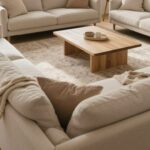
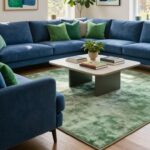
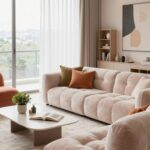
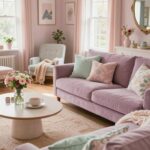
A minimalist sectional sofa is great for your living area. Low-profile designs make your room feel bigger by making ceilings appear higher.
Choose upholstery in neutral colors that match your walls. This creates a sense of continuity. It makes the furniture blend with the room, not stand out as a separate item.
Investing in Multi-Functional Pieces
In a minimalist home, every item must be useful. A minimalist coffee table with hidden storage or a modular design can cut down on clutter. These pieces keep essentials hidden while keeping surfaces clean and sleek.
Think about furniture that can change with your needs. Ottomans that become extra seating or tables with built-in shelves are great. By choosing multi-functional items, you use your space better without losing the minimalist look.
Decluttering Your Living Space
Starting your journey to a peaceful home means getting rid of things you don't need. Using decluttering tips is key to making your home a calm place. By removing the unnecessary, you make room for what's important in your life.
Strategies for Sorting and Purging
When decluttering a small minimalist living room, sort items into three piles: keep, donate, and discard. Ask yourself if an item is truly valuable or just taking up space. If you haven't used something in a year, it's probably time to get rid of it.
Try the "one-in, one-out" rule to avoid clutter. This rule means you must remove an item for every new one you bring in. It's a simple way to keep your apartment minimalist living room balanced.
"The secret of happiness, you see, is not found in seeking more, but in developing the capacity to enjoy less."
Here's a table with strategies for efficient purging:
| Method | Primary Goal | Best For |
|---|---|---|
| The 12-12-12 Rule | Quick sorting | Daily maintenance |
| Categorical Purge | Deep cleaning | Large collections |
| Visual Sweep | Surface clarity | Small apartments |
Maintaining a Clutter-Free Environment
To keep your space tidy, make it a habit to reset your living area each evening. Spend just ten minutes putting things back where they belong. This intentional habit stops small messes from becoming big problems.
Use smart, hidden storage to keep surfaces clean. When everything has its place, your home feels bigger and more organized. Remember, minimalism is an ongoing journey, not a one-time fix.
Lighting Design for a Minimalist Atmosphere
To get a bright, open feel, think carefully about how light enters your room. The right minimalist lighting is key to a calm space. It makes your room feel big and inviting. By mixing light and shadows, you highlight your room's beauty.
Maximizing Natural Light
Connecting your home to the outdoors is crucial. To let in more sunlight, use simple, sheer window treatments. Avoid heavy drapes that block views and add bulk. Instead, choose light-filtering shades or linen curtains.
Where you place your furniture also affects light flow. Don't block windows with tall bookcases or big cabinets. This lets sunlight spread throughout your room.
Choosing Statement Lighting Fixtures
At night, your artificial lights should be as beautiful as art. In a modern minimalist living room, a standout light fixture is perfect. Look for lights with clean lines and shapes that match your decor.
Choosing the right minimalist lighting means focusing on quality over quantity. A unique pendant light or sleek floor lamp adds light without cluttering your space. These lights should look intentional and add warmth to your modern minimalist living room.
| Lighting Type | Primary Benefit | Best Placement |
|---|---|---|
| Recessed Lighting | Clean, hidden look | Ceiling perimeters |
| Pendant Fixtures | Sculptural focal point | Above coffee tables |
| Floor Lamps | Adjustable ambiance | Reading corners |
| Wall Sconces | Saves floor space | Beside seating areas |
Textiles and Materials That Add Warmth
Your living space gets a lot of character with natural materials. Minimalist interior design is all about clean lines, but adding textures makes it cozy. The right fabrics and surfaces make your home modern yet welcoming.
Incorporating Natural Fabrics Like Linen and Wool
Soft textiles bring comfort to your home. Linen is great for curtains or sofa covers because it's breathable and relaxed. Wool throws or mohair pillows add a cozy texture that makes you want to sit and relax.
These materials offer a sensory experience that softens the look of modern furniture. Layering these fabrics adds depth to your Japandi minimalist living room without making it cluttered. Stick to neutral tones to keep the look cohesive, letting the texture be the focus.
Using Wood and Stone for Texture
Organic materials like wood and stone are key for a grounded design. Adding raw wood furniture or stone accents connects you to nature. These elements bring a timeless quality that gets better with age.
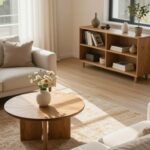
In a Japandi minimalist living room, light-toned woods and matte stone surfaces are classic. They offer a subtle contrast that keeps the room interesting. Use these textures in small ways, like a stone side table or a wooden coffee table, to ground your space.
| Material | Primary Benefit | Best Use Case |
|---|---|---|
| Linen | Breathability | Curtains and Upholstery |
| Wool | Warmth | Throws and Rugs |
| Oak Wood | Durability | Tables and Shelving |
| Travertine | Visual Depth | Accent Decor |
Strategic Use of Wall Art and Decor
Decorating your walls is a delicate dance between personality and restraint. When you embrace a minimalist living room decor style, every item you choose to display should serve a specific purpose. Your goal is to create a space that feels curated rather than crowded.
Selecting One Focal Point
The most effective way to anchor a room is to choose one strong focal point. Instead of scattering small items across every wall, invest in a single, high-quality piece of minimalist wall art. This piece should command attention without overwhelming the senses.
Consider the scale of your wall when selecting your art. A large, oversized canvas often works better than a collection of tiny frames, as it maintains clean lines and a sense of order. By focusing on one statement piece, you allow the room to breathe while still showcasing your personal taste.
Avoiding Visual Overload
Maintaining a sense of calm requires you to embrace the power of negative space. You do not need to fill every empty corner or blank wall to make a room feel complete. In fact, minimalist wall art often looks best when it has plenty of room to stand out on its own.
To prevent visual clutter, rotate your decor periodically rather than displaying everything at once. This keeps your minimalist living room decor feeling fresh and intentional. Use the following table to help you decide how to balance your wall space effectively.
| Decor Strategy | Visual Impact | Best For |
|---|---|---|
| Single Large Canvas | High Impact | Main Living Area |
| Floating Shelves | Moderate Impact | Displaying Small Objects |
| Negative Space | Calming Effect | Small or Busy Rooms |
Integrating Greenery for a Natural Touch
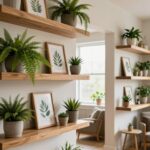
Adding a touch of nature brings life to any space. In a minimalist living room design, plants serve as natural art. They add color without making the space feel cluttered. Plants also soften sharp edges and bring a calm that synthetic decor can't match.
Choosing Low-Maintenance Indoor Plants
You don't need to be a green thumb to enjoy indoor plants. Many plants are hardy and need little care, perfect for a busy life. Snake plants and ZZ plants are great because they do well in low light and don't need much water.
For trailing vines, the Golden Pothos is a good choice. It's tough and adds a soft look to high shelves. These plants keep your minimalist living room design tidy and peaceful.
Selecting Minimalist Planters
The planter you pick is key. Choose simple shapes and neutral colors like matte white or raw concrete. These materials add texture but let the plants' green stand out.
Stay away from fancy patterns or bright colors. They can pull your eye away from the plants. Uniform planters help keep your home looking balanced.
| Plant Variety | Light Requirement | Watering Frequency | Visual Style |
|---|---|---|---|
| Snake Plant | Low to Bright | Every 3-4 Weeks | Architectural |
| ZZ Plant | Low to Medium | Every 3-4 Weeks | Glossy/Modern |
| Golden Pothos | Medium | Every 1-2 Weeks | Soft/Trailing |
Using these tips, your minimalist living room design will feel welcoming and balanced. A well-chosen plant collection adds a touch of elegance that celebrates simplicity.
Flooring Choices for a Clean Look
The look of your Japandi minimalist living room starts with your floors. The right minimalist flooring is key for a calm and unified space. Materials that reflect light and have a smooth finish can change your home's feel.
Hardwood and Polished Concrete Options
Natural hardwood is a favorite for warmth and durability in a minimalist home. Light woods like white oak or ash bring a clean look that matches a neutral color scheme well. They also age beautifully, adding a natural touch to your space.
Polished concrete, on the other hand, brings a sleek, industrial vibe that's easy to keep up. It has a smooth surface that reflects light, making small rooms look bigger. If you prefer tiles, neutral-colored porcelain tiles are great for a smooth flow between rooms.
"Simplicity is the ultimate sophistication."
Using Area Rugs to Define Spaces
Hard surfaces are great for a clean base, but area rugs are essential for comfort and defining areas. In a big open-plan room, a rug can make your furniture feel cozy. Make sure the rug fits with your minimalist color palette to avoid it being too bold.
Opt for rugs made from natural fibers like wool or jute for texture without clutter. These rugs contrast nicely with your minimalist flooring, making the space feel both balanced and welcoming. Choosing the right textiles helps create a space that's both stylish and cozy.
Common Mistakes to Avoid in Minimalist Design
It's easy to make mistakes when decorating your space, even with good intentions. Some minimalist design mistakes can make your home feel cluttered. This can ruin the calm atmosphere you're trying to create. Spotting these errors early helps you improve your minimalist living room decor approach.
Over-Accessorizing Your Surfaces
One big mistake is covering every surface with decorations. A minimalist coffee table should be functional, not a place for lots of small items. Too many things on surfaces can ruin the clean, focused look of minimalist design.
To keep your surfaces looking good, limit your decor to just one or two special items. If you're always moving things around, you've got too much. Remember, less is more for a neat, curated look.
Ignoring the Importance of Negative Space
Many people try to fill every corner with minimalist furniture. But, empty space around your items is just as key. Without it, your room feels small and tight, not open and airy.
Think of empty walls and floors as part of your design. They help your furniture stand out. Here are some common mistakes to avoid:
- Cluttering surfaces: Don't put too many small items on tables or shelves.
- Ignoring scale: Make sure your furniture fits the room without taking over.
- Neglecting flow: Keep paths clear to keep the room feeling open.
- Over-decorating walls: Leave some wall space blank for visual rest.
By using empty space wisely, you make your home feel calm and intentional. Focus on quality over quantity to keep your living area a peaceful sanctuary.
Conclusion
Creating a simple living space changes your daily life. It brings calm by choosing furniture and colors wisely. Your home then shows what you value.
Minimalism is a journey of getting better. You start to see the beauty in empty space and the quality of things. Brands like West Elm and CB2 have furniture that fits this style well, without sacrificing comfort.
Your living room is where life happens. By carefully choosing what's in it, you make room for what's important. Begin by getting rid of something you don't need anymore. Share your journey with friends or family to inspire them to simplify their homes too.
FAQ
What are the historical origins of the minimalist aesthetic?
Minimalism began with the Bauhaus movement in the early 20th century. It focused on design's form, material, and texture. This knowledge helps you create a minimalist home that values simplicity over decoration.
How does the "less is more" philosophy apply to a modern minimalist living room?
Today, "less is more" means each item in your living room must have a purpose. Trends now focus on usability and comfort. This makes your space feel curated and cozy, not empty.
How do I choose a minimalist color palette that doesn't feel cold?
Start with whites, creams, and grays for brightness. Then, add earthy tones to warm up the space. This mix prevents a cold feel.
What should I look for when selecting minimalist furniture?
Look for furniture with clean lines and simple shapes. A minimalist sofa or low-profile piece keeps the room open. Choose coffee tables with hidden storage for extra utility.
What are the best decluttering tips for a small minimalist living room?
Start by sorting and getting rid of things you don't need. Use smart storage in small rooms. Keep your space tidy with daily habits.
How can I maximize lighting in a minimalist home?
Use natural light by placing furniture right and using sheer curtains. Choose bold lighting fixtures as design pieces to anchor the room.
How do I incorporate "warm minimalism" into my decor?
Add warmth with natural textiles like linen and wool. Use wood and stone for a cozy feel. These elements bring a tactile experience to your space.
What is the best way to display minimalist wall art?
Pick one focal point for your wall to avoid clutter. Choose art that adds quality, not quantity. This keeps your space balanced and sophisticated.
Can I have indoor plants in a minimalist living room?
Yes, plants add life and beauty. Choose simple planters that match your color scheme. This avoids cluttering your space.
Which flooring options best suit a minimalist aesthetic?
Hardwood and polished concrete offer a clean look. Porcelain tiles create a seamless flow. Area rugs define zones while keeping colors simple.
What are common minimalist design mistakes to avoid?
Avoid over-accessorizing, like cluttering your coffee table. Also, remember that empty space is as important as furniture. It creates a peaceful atmosphere.