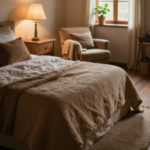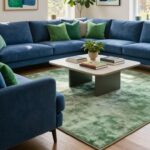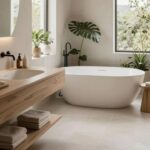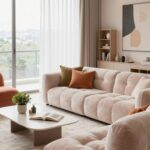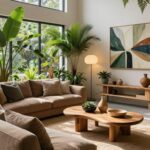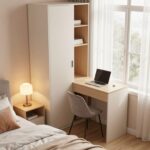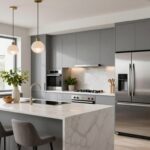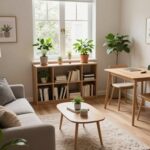
Minimalist Warm Aesthetic: Designing Your Living Space
Many people want their homes to be both neat and welcoming. A minimalist approach can help you achieve this. It's about making choices that add value and character to your space.
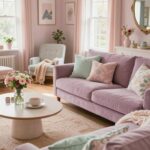
By mixing simple lines with cozy textures, you turn your living area into a cozy retreat. This warm style makes your home feel lived-in and personal. It's different from the cold, modern look that's often seen.

Choosing quality over quantity lets you create a home that shows your personality. Getting this aesthetic right takes patience and attention to detail. By removing the unnecessary, you make room for what truly brings you joy and peace.
Key Takeaways
- Prioritize functional items that also provide comfort.
- Use organic textures to soften clean architectural lines.
- Focus on intentional curation rather than simple decluttering.
- Create a home environment that feels personal and welcoming.
- Balance simplicity with elements that reflect your individual style.
Defining the Minimalist Warm Aesthetic Living Space
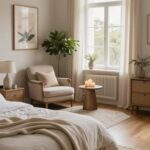
Warm minimalism aims to find a balance between simplicity and comfort. It combines the clean lines of minimalism with soft textures and earthy tones. This creates a cozy and inviting space.
By focusing on what's important, your space becomes both open and personal. It supports a lifestyle of ease and purpose. It's about creating an environment that enhances your daily life.

The Intersection of Function and Comfort
Good interior design balances looks and function. You don't have to choose between beauty and practicality. A clutter-free home can still be very useful.
Choose furniture and decor that serve a purpose and add to the room's comfort. Functionality is key to creating a welcoming space.
Moving Beyond Cold Minimalism
Many think minimalism means cold, white spaces with no personality. But, this modern take on interior design is different. It aims to avoid that cold, clinical feel.
Adding natural materials like wood, stone, and wool warms up your space. This makes your home a cozy sanctuary. It feels grounded and human-centric, perfect for relaxation.
The Psychology of Warm Minimalism
How you design your living space greatly affects your mood. Warm minimalism moves you away from empty, cold rooms. It creates a balanced space that boosts your well-being. This approach values emotional comfort and clear visuals.
How Your Environment Affects Your Mood
Visual clutter can silently stress you out, taking your focus and energy. Simplifying your space lets your mind relax after a busy day. Mindfulness is easier when your space supports, not distracts, you.

Adding natural elements like soft wood and organic textures lowers stress. These materials connect you to nature, offering a calming touch. A carefully chosen space promotes a deeper calm.
Creating a Sanctuary from the Outside World
Your home should be a home sanctuary where you can escape modern life's pressures. Choose furniture and decor that make you happy. This turns your space into a place of healing, not perfection.
The table below shows the difference between a standard living space and a warm minimalist sanctuary.
| Feature | Standard Space | Warm Minimalist Sanctuary |
|---|---|---|
| Visual Impact | High clutter, distracting | Curated, peaceful |
| Material Choice | Synthetic, cold | Natural, tactile |
| Emotional Goal | Aesthetic display | Restorative comfort |
| Lighting Style | Harsh, overhead | Layered, warm |
Creating your home sanctuary takes time and a focus on quality. Surrounding yourself with meaningful items brings lasting security. This thoughtful approach makes your home a place of peace for years.
Selecting a Color Palette for Comfort
Choosing the right colors is key to a cozy home. A neutral color palette lets your furniture and decor stand out. This makes your home a peaceful retreat.

Utilizing Earth Tones and Neutral Bases
For a cozy feel, look to nature. Shades like soft beige, warm taupe, and muted sand ground your space. They make your room feel more inviting.
Layering different shades of the same color adds depth. This method avoids harsh contrasts that can upset your calm. Consistency is key for a peaceful and intentional design.
The Importance of Undertones in Warm Design
Knowing about undertones is crucial in interior design. Even in a neutral color palette, colors can lean warm or cool. The wrong undertone can make your walls look cold or uninviting.
Warm Greys versus Cool Greys
Many find it hard to tell warm greys from cool greys. Cool greys have blue or green undertones, making rooms feel cold. Warm greys, or "greige," have yellow or brown undertones, blending grey and beige.
The Role of Cream and Off-White
Pure white can be too harsh for a cozy home. Choose creamy whites or soft off-white shades with warmth. These colors reflect light softly, adding to your room's comfort.
- Creamy whites add softness to walls.
- Warm greys offer a sophisticated, grounded look.
- Taupe accents add natural depth to furniture.
Choosing Natural Materials and Textures
Adding raw elements to your home makes it more inviting. Using natural materials like wood, linen, stone, and wool adds texture. This makes your space feel real and welcoming.
The Appeal of Raw Wood and Stone
Raw wood and stone give a warm, minimalist look. They have unique patterns that tell a story. As they age, they get even more beautiful.
Nature does not hurry, yet everything is accomplished.
Choosing items with imperfections shows you value wabi-sabi. It's about finding beauty in the natural cycle of life and decay.
Integrating Sustainable Materials
Choosing sustainable home design is good for the planet. It means your home is eco-friendly without losing quality. Here are the benefits:
- Longevity: Natural fibers and solid woods last for generations.
- Health: Natural materials have fewer harmful chemicals.
- Timelessness: Organic textures never go out of style.
Benefits of Reclaimed Timber
Reclaimed timber adds history and warmth to your home. It's more stable and resistant to warping. It's perfect for floors, beams, or furniture.
Using Natural Slate and Travertine
Natural stone like slate and travertine adds a cool touch. They're durable and bring a sophisticated, earthy feel. Use them for flooring or accent surfaces to ground your space.
| Material | Primary Benefit | Best Use |
|---|---|---|
| Reclaimed Wood | Sustainability | Furniture & Flooring |
| Travertine | Thermal Mass | Accent Walls & Tiles |
| Linen | Breathability | Curtains & Bedding |
Choosing these elements makes your sustainable home design both functional and beautiful. The right mix of natural materials creates a modern, earthy sanctuary.
Furniture Selection for a Cozy Minimalist Home
To turn your home into a cozy retreat, choose functional furniture carefully. Opting for fewer, better pieces creates a cozy minimalist home that feels both spacious and welcoming. This approach helps you ditch unnecessary items and focus on what truly adds value to your space.
Prioritizing Quality Over Quantity
Investing in durable, high-quality furniture is key to a lasting design. Instead of filling your rooms with cheap, disposable items, choose pieces made from durable materials like solid oak or high-grade wool. These items not only last longer but also improve with age.
Quality furniture often showcases superior craftsmanship, enhancing your space's look. By choosing fewer items, you can spend more on pieces that truly reflect your style. This ensures every item in your room has a purpose.
Selecting Pieces with Purpose
Every item in your home should be useful and beautiful. Look for functional furniture that offers hidden benefits, like ottomans with storage or tables with simple designs. When an item serves a purpose and looks good, it reduces the need for clutter.
Choose furniture that adapts to your daily needs. A well-chosen sofa or a versatile desk can change with your routines without needing a full room makeover. This keeps your space feeling light and focused.
The Importance of Scale and Proportion
Even the most stunning furniture can disrupt a room if it's the wrong size. It's crucial to match the furniture's size to your room's dimensions. Too big, and it overwhelms; too small, and it gets lost.
Getting the scale right creates harmony and flow in your home. Aim for furniture that complements your space's architecture, not clashes with it. This ensures your cozy minimalist home remains inviting and easy to move around in.
| Feature | Traditional Approach | Minimalist Approach |
|---|---|---|
| Furniture Volume | High density | Low density |
| Material Choice | Synthetic/Mixed | Natural/Sustainable |
| Primary Goal | Filling space | Enhancing flow |
| Design Focus | Decorative trends | Timeless utility |
Lighting Strategies to Enhance Warmth
Good lighting is key to a cozy, minimalist home. Furniture gives it shape, but light adds its soul. Layered lighting creates a soft glow, making your space inviting at night.
Layering Light for Ambiance
Don't just use one light source. A good room has different lights for depth and function. You need three main types:
- Ambient Lighting: Lights up the whole room.
- Task Lighting: Focuses on areas for reading, cooking, or working.
- Accent Lighting: Shows off special features or art.
These layers avoid harsh shadows and make your home lively. It stays cozy and relaxed.
Choosing the Right Color Temperature
The color of your bulbs changes how your space feels. It's measured in Kelvins (K), showing if it's cool or warm. For comfort, choose warmer colors.
Go for bulbs between 2700K and 3000K for a soft, golden light. This feels like sunset, helping you relax. Layered lighting with the same color keeps your room cozy and unified.
The Impact of Warm LED Bulbs
Today's LED bulbs are energy-saving and stylish. Warm LEDs keep your home cozy without high bills. They offer a gentle glow that highlights your home's textures.
Choose bulbs with high Color Rendering Index (CRI) for natural colors. The right warmth turns your living area into a cozy, modern retreat.
Decluttering with Intentionality
True minimalism is more than just cleaning. It's about choosing every item with care. This means deciding what truly adds value to your life. By focusing on quality, your home becomes both spacious and deeply personal.
The Art of Curated Surfaces
Limiting items on tables and shelves lets each piece shine. This intentional decor ensures your favorites get the spotlight. Choose items that bring joy or serve a purpose, not just to fill space.
Curating your space means changing items with the seasons or your mood. This keeps your space feeling new and avoids the dullness of permanent displays. Remember, empty space is a design choice that offers visual relief.
Hidden Storage Solutions
Good decluttering tips hide items you don't want to see every day. Furniture with built-in storage is a big help. Look for ottomans, beds, and media consoles with closed spaces.
Clear surfaces reduce visual clutter and bring calm. Here are ways to keep your space tidy while looking minimalist:
| Storage Method | Primary Benefit | Best Use Case |
|---|---|---|
| Closed Cabinetry | Complete concealment | Living room media and books |
| Ottoman Storage | Multi-functional utility | Blankets and remote controls |
| Wall-Mounted Shelves | Floor space preservation | Small decor and plants |
| Baskets and Bins | Easy organization | Hidden closet or shelf items |
Incorporating Organic Shapes and Soft Lines
Adding organic shapes balances the sharp edges in modern design. Straight lines can make a room feel cold. But, fluid forms bring warmth and harmony.
Breaking Up Rigid Geometric Forms
Most minimalist homes use squares and rectangles. This can make a space feel tense. Introducing organic shapes breaks this monotony, making your space feel more relaxed.
Here are some ways to soften your room's geometry:
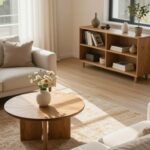
- Place a round coffee table in the center of a square seating arrangement.
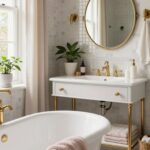
- Use arched mirrors to draw the eye upward and soften wall lines.
- Incorporate circular rugs to define zones without using harsh boundaries.
Selecting Curved Furniture and Decor
Furniture choice greatly affects your home's feel. A bouclé sofa adds softness and warmth. It invites you to relax after a long day.
Choose decor that focuses on comfort and human design. A curved armchair or a rounded side table can turn a cold corner into a cozy spot. By choosing organic shapes, your minimalist home becomes a cozy sanctuary.
The Role of Textiles in Softening Spaces
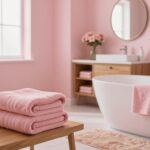
To make a home inviting, adding soft textiles is key. Minimalist design is clean and open, but it can feel cold without the right touches. Textiles bridge the gap between style and comfort.
Textiles bring warmth and a tactile feel to your home. They make a house feel like a sanctuary. Texture is the secret ingredient that keeps a minimalist room cozy.
Layering Rugs and Throws
Layering adds depth to your floors and furniture. Start with a large, neutral area rug. Then, add a smaller, textured rug on top to define zones. This creates a cozy focal point in your living area.
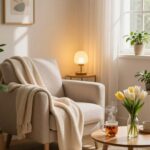
Throwing a high-quality throw over a sofa or chair softens the room. Choose throws with subtle patterns or chunky knits. These soft textiles add interest and comfort for chilly evenings.
Choosing Natural Fabrics like Linen and Wool
The quality of your materials affects how a room feels. Choose natural fibers like linen and wool for breathability and durability. Linen looks relaxed and ages well, while wool is unmatched in warmth and weight.
Opting for natural fabrics means investing in quality. They interact with light in a way synthetic materials can't, adding a soft glow. Using these soft textiles makes your minimalist home cozy, comfortable, and personal.
Bringing Nature Indoors with Biophilic Elements
Adding living elements to your space brings harmony and energy. By using biophilic elements, you connect your home to nature. This makes your home a true sanctuary, not just a place to live.
Selecting Low-Maintenance Houseplants
You don't need to be a gardening expert to enjoy indoor plants. Pick hardy plants for easy care. Plants like Snake Plants or Pothos are great for those who are always busy.
These plants do well in different light and need little water. They clean the air, which is good for your health. Keeping your plants simple helps keep your space looking clean and minimalist.
Using Botanical Accents to Add Life
You can also bring nature in with decor choices. Use artwork with organic shapes or framed leaves to add life to a room. These pieces look good with natural materials like wood or stone, making your space feel grounded.
Try using dried botanical stems in a vase for a unique look that needs no care. This adds texture and interest to your space without clutter. Carefully chosen accents keep your home calm, balanced, and connected to nature.
Conclusion
Creating a cozy minimalist home is more than just adding things. It's about choosing carefully and making a space that grows with you.
Using natural textures, soft lights, and special decor makes your home a true sanctuary. This approach lets you create a space that shows your style and offers a peaceful escape.
By following these design tips, you can make a space that is both lovely and healing. Your life gets better when your home supports both your needs and your calm. Begin your journey today by picking items that make you happy every day.
FAQ
How does warm minimalism differ from the traditional minimalist movement?
Warm minimalism is different from the old minimalist style. It focuses on comfort and making a home feel cozy. It uses earth tones, soft textures, and personal items to make a space feel like a sanctuary, not a showroom.
What are the best paint colors to achieve a cozy yet clean look?
Choose paint with creamy or yellow undertones to avoid a cold look. "Greige" or soft off-whites work well. They look great with natural light and make a room feel warm.
How can I integrate natural materials without making my home look rustic?
Mix raw wood or stone with modern furniture for a balanced look. This keeps your home stylish. Using materials like terracotta and oak adds history and warmth to your space.
What is the ideal lighting setup for a warm minimalist living room?
Use layered lighting instead of one big light. Floor lamps, sconces, and task lights create depth. Choose bulbs with a 2700K color temperature for a soft, golden glow in the evening.
Why should I choose curved furniture over pieces with sharp angles?
Curved furniture makes a room feel more relaxed and welcoming. It adds a natural feel to your space. Shapes like rounded sofas and oval coffee tables make areas feel more fluid.
Which houseplants are best for a minimalist aesthetic?
Choose plants with architectural leaves for a clean look. Plants like Fiddle Leaf Figs and Snake Plants are great. They add life and beauty to your space without being too busy.
How do I manage clutter while still keeping the home "warm"?
Warm minimalism is about being intentional with what you display. Use hidden storage for daily items. Showcasing a few meaningful objects adds personality without clutter.
What textiles are essential for softening a minimalist room?
Use natural fibers like linen and wool for texture. Layering curtains with throws or rugs adds depth. Adding a cashmere blanket or mohair pillow makes your space feel cozy and luxurious.