Smart Cottage Garden Plans for Small & Stylish Spaces
Centuries ago, the traditional English landscape started as a utilitarian necessity. Families used these plots to grow vital herbs and vegetables. Today, you can bring that timeless charm to even the smallest outdoor spaces.

To turn a small yard into a lush oasis, you need intentional design. Focus on vertical growth and layered plantings. This way, your space feels full and beautiful, blending history with modern life.
You don't need a big estate for a personal retreat. With the right plan, your home can have a vibrant, living garden. Organize your greenery to make the most of every inch of space.
Key Takeaways
- Understand the historical roots of English landscapes as functional food sources.
- Learn to adapt traditional aesthetics to fit modern, limited footprints.
- Use vertical planting techniques to increase your greenery without sacrificing floor area.
- Focus on intentional plant selection to maintain a lush, abundant appearance.
- Balance classic charm with the practical requirements of your daily life.
Defining the Modern Cottage Aesthetic in Limited Areas
You can make even the smallest space beautiful and welcoming with the modern cottage aesthetic. This style sees your garden as an extension of your home, not just an extra area. It turns small spaces into lush, inviting places.

Core Elements of Cottage Style
The informal, abundant planting is at the heart of this style. It's all about mixing textures, heights, and colors in a way that feels natural. Your garden becomes a beautiful gift to the street, enhancing walks for your neighbors.
It includes a mix of perennials, self-seeding annuals, and fragrant herbs. These elements create a cozy, natural look. You don't need a big space to achieve this; just focus on density and variety.
Adapting Traditional Charm for Urban Footprints
Creating a urban garden design means being smart with space. You need to balance a wild, romantic look with city living's limits. Use vertical structures and layered planting to make your garden seem bigger.
This way, your garden stays functional and charming. The table below shows how to adapt traditional ideas for small spaces:
| Feature | Traditional Approach | Modern Urban Adaptation |
|---|---|---|
| Planting Beds | Expansive, wide borders | Raised beds and vertical tiers |
| Pathways | Crushed gravel or stone | Narrow, permeable pavers |
| Visual Focus | Large focal trees | Potted shrubs or trellises |
| Maintenance | High-intensity labor | Drip irrigation and mulch |
By focusing on these changes, your urban garden design stays beautiful and easy to care for. Every part of your space has a purpose, showing that style is about careful planning, not size.
Planning Your Smart Cottage Garden Plans for Small & Stylish Spaces
Turning a small area into a lush retreat starts with a smart plan. A well-thought-out cottage garden layout is key. It ensures every part of your yard has a purpose. Planning ahead prevents overcrowding and plant neglect.

Assessing Your Sunlight and Soil Conditions
Before picking plants, watch how light changes in your yard. Most cottage plants love full sun, needing at least six hours of direct sun. If your yard is shaded, choose plants that love shade to keep your garden bright.
Testing your soil is also crucial. Small garden soil testing shows your soil's pH and nutrients. This helps you pick the right plants for your soil. Testing early saves you trouble and ensures your plants thrive.
| Soil Type | Key Characteristic | Best Amendment |
|---|---|---|
| Sandy | Drains very quickly | Add organic compost |
| Clay | Retains too much water | Add gypsum or peat |
| Loamy | Ideal balance | Maintain with mulch |
Mapping Out Functional Zones
After knowing your yard's limits, divide it into areas. Even small yards can have zones for seating, storage, and flowers. This cottage garden layout makes your yard feel bigger by guiding the eye.
Put fragrant herbs near doors or seating for a better smell. Group plants by their needs for easier care. Functional zoning turns a messy yard into a stylish, welcoming space.
Selecting the Right Plant Palette for Compact Beds
To get that classic cottage garden look, you need a smart plan for your plants. With small spaces, compact garden plants are key for a lush, professional look. They grow close together, which helps fight weeds and keeps the soil moist.

Prioritizing Heirloom Flowers and Fragrant Herbs
Heirloom flowers bring the real charm of a traditional cottage garden. They have superior fragrance and colors that modern flowers often miss. Pair these with herbs like thyme, rosemary, or lavender for beauty and usefulness.
These herbs and flowers together create a sensory experience that's all about the cottage style. Since they grow well together, they fill in gaps and keep weeds out. This keeps your garden full of life and color all season.
Utilizing Vertical Layers for Visual Depth
Adding vertical layers can make a small garden look bigger. Place tall, slender plants at the back and shorter ones in the front. This creates a dynamic sense of depth that makes your garden look more lush and expansive.
When picking your compact garden plants, choose ones with different heights and textures. Mix spiky foxgloves with soft, trailing plants for a stunning contrast. Using vertical layers is a proven strategy to make the most of your small outdoor space.
Maximizing Vertical Space with Trellises and Arbors
When your ground space is limited, the secret to a thriving cottage garden lies in creative vertical gardening ideas. By drawing the eye upward, you create an illusion of depth. This makes even the smallest patio feel like a lush, expansive retreat. This approach allows you to layer textures and colors without sacrificing precious floor space.
Choosing Climbing Plants That Thrive in Containers
Choosing the right climbers is key for a container garden. Look for varieties that offer continuous blooms and manageable growth habits. This ensures they don't overwhelm your structure. Annual vines are often the best choice for small pots because they grow quickly and provide instant impact throughout the summer season.
Consider these popular options for your vertical displays:
- Sweet Peas: Perfect for early season fragrance and delicate, colorful flowers.
- Mandevilla: A tropical favorite that loves heat and produces stunning, trumpet-shaped blooms.
- Black-Eyed Susan Vine: A vigorous grower that adds a cheerful pop of yellow or orange to any trellis.
- Nasturtiums: These trailing plants can be trained to climb, offering both beauty and edible flowers.
Installing Structural Supports for Small Patios
Arbors and trellises act as the architectural backbone of your garden. They provide necessary support for your climbing plants. When installing these features on a small patio, prioritize stability and scale. This ensures they complement your existing furniture. A well-placed arbor can serve as a beautiful centerpiece, effectively framing your entrance or highlighting a specific seating area.
When setting up your supports, always secure them firmly to prevent tipping during windy weather. You might consider using heavy-duty planters as anchors for your trellises. This saves space while providing a solid foundation. Implementing these vertical gardening ideas will transform your compact outdoor area into a sophisticated, multi-dimensional sanctuary. It will feel much larger than it actually is.
Container Gardening Techniques for Cottage Charm
You can turn small, paved spots into lush gardens with smart container gardening tips. Even without a big backyard, you can make a vibrant, blooming space. It can feel like a classic cottage garden. By picking the right pots and arranging them well, you can make any balcony or patio come alive.
Selecting Weather-Resistant Pots and Planters
Choosing the right materials is key for your garden's life. Weather-resistant pots like resin, glazed ceramic, or stone keep your garden looking good and plants safe. They handle extreme weather without cracking.
Think about the weight and how well your planters drain before planting. Lightweight resin is great for balconies, while heavy stone or terracotta works for patios. Make sure your pots have holes for water to drain, keeping the soil healthy and preventing root rot.
Grouping Containers for a Lush Overflow Effect
To get a cottage garden feel, don't spread pots out. Grouping containers of different sizes and heights creates a lush, layered look. This makes your garden feel wild and full.
Put the tallest plants in the back or center for a focal point. Then, add medium-sized shrubs and finish with plants that cascade, like lobelia or ivy. These container gardening tips will help you create a dense, thriving garden that feels like the countryside.
Hardscaping Essentials for a Cozy Atmosphere
Cottage garden hardscaping adds structure to small spaces. It creates a cozy feel by balancing lush plants with solid elements. These features make a small yard feel like a private retreat.
Choosing Materials That Complement Cottage Architecture
Choosing the right materials is key for a cohesive look. Natural stone, weathered brick, and crushed gravel are great choices. They age well and add a timeless appeal to your garden.
Match your base with your home's colors and textures. Reclaimed materials can give your cottage garden hardscaping a unique, lived-in look. Here's a table to help you pick:
| Material | Best Use | Maintenance |
|---|---|---|
| Crushed Gravel | Pathways | Low |
| Weathered Brick | Patios | Medium |
| Flagstone | Stepping Stones | Low |
Creating Intimate Seating Areas in Tight Corners
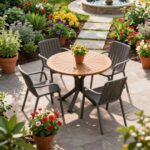
Even small gardens can have cozy spots. Weathered benches or small tables in the blooms are perfect for enjoying your garden. These intimate seating areas are great for morning coffee or evening chill.
"A garden is a place where the soul can rest, and even a single chair tucked into a corner can transform your perspective."
To make the most of your space, use a stable surface for seating. A small gravel pad or large flagstones work well. Add fragrant herbs or climbing vines around these spots for a private cocoon. Good cottage garden hardscaping makes every inch of your outdoor space inviting.
Water Management and Irrigation for Small Gardens
Proper hydration turns your small outdoor space into a lush, sustainable haven. In cities, small garden irrigation is key for plant health and avoiding floods. Using porous materials and smart watering, your garden will flourish even in dry times.
Implementing Drip Irrigation Systems
Drip systems are top-notch for saving water in tight spaces. They send water straight to the roots, cutting down on evaporation and disease. A simple drip system kit saves a lot of time, compared to watering with a hose.
Here are the benefits of drip systems:
- Precision delivery: Water goes right to the roots.
- Resource conservation: You save up to 50% of water compared to sprinklers.
- Automated convenience: Timers keep your garden watered, even when you're not there.
Selecting Drought-Tolerant Cottage Varieties
You can keep a classic cottage garden look without wasting water. Many hardy perennials need little extra water once they're settled. Adding these drought-tolerant plants keeps your garden lush and your bills low.
Choose these reliable plants for your garden:
- Lavender: It's famous for its scent and silver leaves that love sunlight.
- Sedum: It adds structure with leaves that store water well.
- Russian Sage: It has airy purple flowers that handle heat and dry soil.
- Coneflower: A cottage garden favorite that's very hardy in summer heat.
By picking the right plants, your garden stays lively all season. These plants do great in containers or small beds, making your urban garden perfect.
Seasonal Maintenance Strategies for Year-Round Beauty
Keep your outdoor space lively with simple routines. Regular seasonal garden maintenance keeps your small space fresh and lively all year.
Pruning and Deadheading for Continuous Blooms
Deadheading is key to longer blooms. By removing spent flowers, you stop the plant from making seeds. This encourages more blooms all season.
Learn basic garden pruning techniques to keep plants healthy. Use sharp shears to cut out dead or damaged stems. This keeps your garden tidy and prevents overcrowding.
Preparing Your Small Garden for Winter Transitions
As winter approaches, protect your plants. Proper seasonal garden maintenance in late autumn prepares your garden for spring.
Begin by clearing debris and adding mulch to protect roots. Move containers to sheltered spots or wrap them to avoid frost. These essential garden pruning techniques and steps help your garden survive winter and bloom stronger next year.
Common Mistakes to Avoid in Small-Scale Landscaping
To get a professional look in a small space, you must avoid common small-scale landscaping mistakes. When planning your garden, it's easy to get too excited and forget about practical limits. Spotting these mistakes early helps keep your outdoor space a source of joy, not stress.
Overcrowding and Airflow Management
One big mistake is planting too many plants in a small area. A lush look is tempting, but it blocks airflow. This creates a humid space that invites diseases like powdery mildew and black spot.
To keep your garden healthy, check the mature size of your plants before planting. Proper spacing lets your garden breathe, reducing the need for chemicals. If plants are always touching, it's time to prune or move them for better air flow.
Ignoring Scale and Proportion in Plant Selection
Choosing plants that grow too big is another mistake. A single big shrub can make your patio feel small and cramped. Pick plants that add visual depth without overwhelming your space.
Choose plants that complement your home's architecture, not hide it. A mix of textures and heights creates a balanced look. This makes a small garden feel intentional and open.
| Common Mistake | Negative Impact | Corrective Action |
|---|---|---|
| Overcrowding | Poor airflow and disease | Thin out and prune regularly |
| Oversized Plants | Loss of visual balance | Select dwarf or compact cultivars |
| Ignoring Proportions | Cramped, cluttered feel | Use vertical layers for height |
| Poor Plant Choice | High maintenance needs | Choose native, hardy species |
Avoiding these small-scale landscaping mistakes leads to a sustainable, beautiful garden. A well-planned garden focuses on how each plant thrives, not just how many you can fit. With careful planning, your small space will flourish all year.
Conclusion
Creating a beautiful cottage garden is a rewarding journey. It lets you show off your style through color, texture, and life. You can turn a small area into a vibrant sanctuary that shows off your unique taste.
With smart planning, you can make any small space a lush oasis. Your garden will be a place of joy for years. It's all about choosing the right plants and layout.
Don't be afraid to try new things as your garden grows. Nurseries like Monrovia and Burpee have many varieties to choose from. Let nature guide you as you refine your garden to fit your changing tastes.
Share your garden's progress with others to inspire them. Your journey to a perfect garden starts with a single seed and a dream. Enjoy watching your garden grow into a beautiful reality.
FAQ
How can I determine if my small outdoor space is suitable for a cottage garden?
Before planting, do a sunlight assessment and test your soil with a LaMotte soil test kit. Most cottage garden plants, like David Austin Roses and Delphiniums, need at least six hours of sun. Knowing your microclimates helps place pollinator-friendly plants for the best growth.
Which climbing plants are best for adding vertical depth in tight patio corners?
For vertical layers, choose climbers like Clematis or Sweet Peas. They do well in terracotta containers with a obelisk or trellis. This adds visual depth without taking up too much space, making your garden feel more abundant and intentional.
What are the best hardscaping materials to enhance a modern cottage aesthetic?
For a timeless look, use natural materials like reclaimed brick, weathered flagstone, or pea gravel. These soften the landscape and match cottage architecture. Adding a small Fermob bistro set to a quiet corner creates a cozy intimate seating area.
How do I prevent my small-scale garden from looking cluttered or overgrown?
Managing scale and proportion is key. Choose compact garden plants and ensure good airflow management to avoid disease. Regular deadheading and thinning with Fiskars bypass pruners keeps your informal planting style looking good. Proper spacing lets each plant be a focal point.
Can I maintain a lush cottage look while practicing sustainable water management?
Yes, use a Rain Bird drip irrigation system for efficient watering. Also, pick drought-tolerant cottage varieties like English Lavender, Russian Sage, and Sedum. This keeps your garden lush while cutting down on water use.
What is the most effective way to transition a small cottage garden for winter?
Seasonal garden maintenance is crucial for a smooth winter transition. Apply organic mulch to protect roots from frost and use burlap wraps for non-hardy container gardening. Cutting back perennials and cleaning structural supports prepares your garden for spring.
How do I group containers to mimic the look of a traditional garden bed?
To achieve a lush, overflowing effect, group weather-resistant pots of different heights. Use the "thriller, filler, spiller" method with Foxgloves, Geraniums, and Creeping Jenny. This technique adds cottage charm to small paved areas or balconies.
Why is companion planting important in a limited garden footprint?
Companion planting maximizes utility and health in small spaces. Interspersing fragrant herbs like thyme and basil with heirloom flowers naturally repels pests and boosts pollination. This creates a functional zone that benefits both you and the street.